Cloud Containerization Services for Scalable Applications
Fragile deploys and drifting environments slow good teams down. Infranexa builds and runs cloud containerization services on Docker, Kubernetes, EKS and AKS. So your apps behave the same way in dev, in test and in production. As a result, a release stops being an event.
Containers fix the two things that break most release cycles. First, they end environment drift. Second, they
turn scaling into a config change. Our cloud containerization services cover the packaging, the orchestration
and the daily run work. Therefore your engineers get to spend their time on product.
01
Easier scaling
We package apps so they scale up or down with real demand. For teams already on Kubernetes, we also set
up managed Kubernetes services and run them day to day. Growth then costs you a threshold change, not a
rebuild.
02
Smoother Updates
A container ships an app and its dependencies as one unit. Because of that, each release carries fewer
surprises. Docker and Kubernetes workflows let you roll out with less downtime. Rollback also turns into a
normal step rather than a crisis.
03
More reliable systems
One build that runs the same way twice kills off a whole class of bug. Consequently your team fixes real
faults, not 'works on my machine'. Support stays simple too, even while traffic and headcount climb.
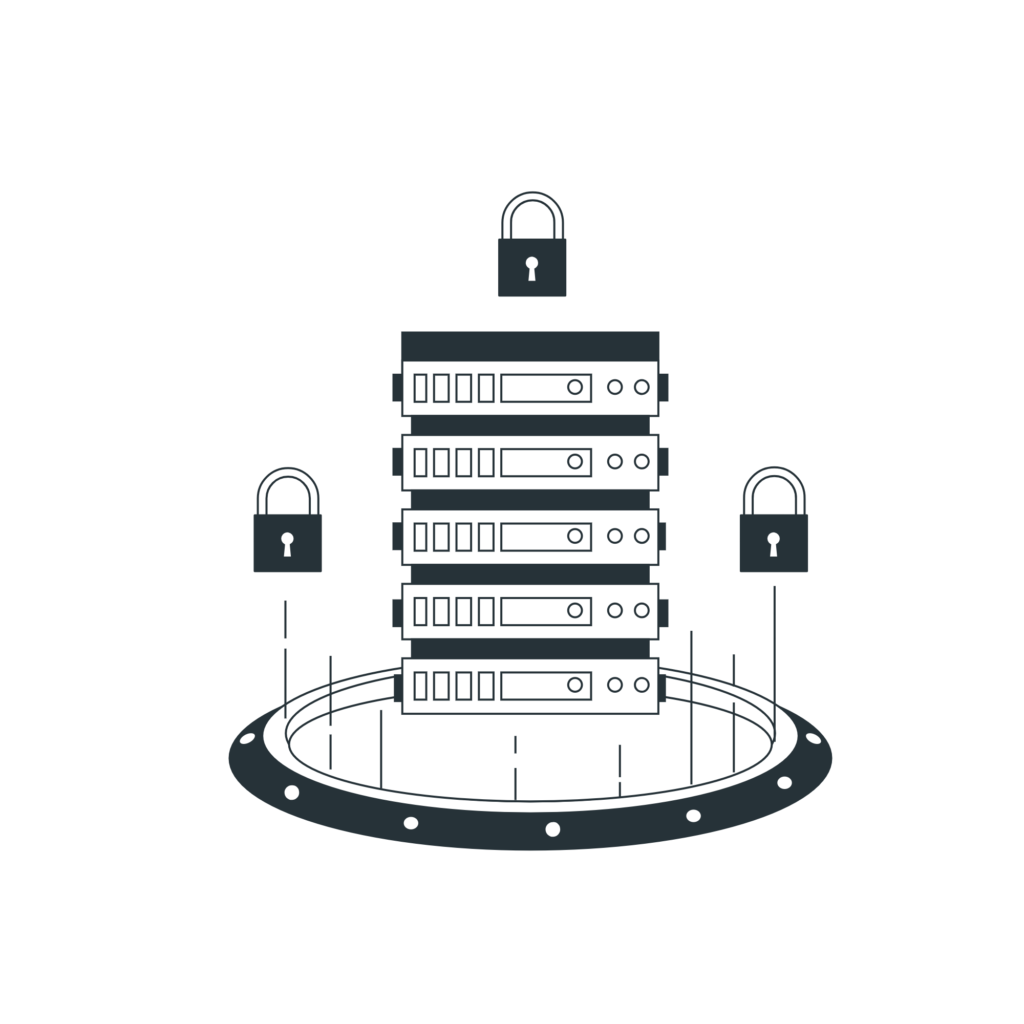
Container security and container management
Containers need more than a deploy pipeline. They need real security and a containermanagement system behind them. We apply container security best practices from the first image onward. That means signed images, least-privilege access and no secrets in the build.
Cluster spend creeps up quietly. Idle nodes, fat requests and forgotten namespaces all add up. First we show where the money goes, workload by workload. Then we right-size requests and limits and tune the autoscaler. Cost review is part of every engagement, so this never becomes a one-off audit. In fact, cloud containerization services without cost discipline just move the bill around.
Cloud containerization services pack an app and its dependencies into containers. Those containers then run the same way across cloud environments. In short, you gain consistency, portability and simpler scaling.
What is the difference between Docker and Kubernetes?
Docker builds and runs the containers themselves. Kubernetes manages, scales and orchestrates them across servers or clouds. In other words, Docker makes the unit while Kubernetes runs the fleet. Most teams therefore use both.
Do all applications need to be containerized?
No. Smaller or simple apps often do fine as they are. Containers pay off when you need scale, consistency, portability or tighter deploy control.
Can you move an existing application into containers?
Yes. We move live apps into container-based environments in planned stages. Since every stage gets a test window first, performance and uptime hold.
Is Kubernetes difficult to manage?
Kubernetes can get complex without the right setup. However, sound config, clear scaling rules, monitoring and patching settle it down. Our team can carry that load for you.
Do you support container security?
Yes. We cover container security, image scanning, access controls and secure Kubernetes config. Container vulnerability management runs alongside it, rather than after the fact.
Platforms & technologies
Cloud expertise across leading platforms and technologies
We work with widely used cloud, DevOps, monitoring, containerization, and automation technologies to build solutions around each client's infrastructure needs.
Plan your cloud containerization services rollout
Need a cleaner way to deploy, scale and manage your apps? Tell us what runs where today and what hurts most. Then we map the cloud containerization services approach that fits your team. Ultimately you choose what to act on.